Student Resources
The work you do between lessons is an important part of your development. This collection of articles, checklists, and recordings is designed to help you practice with greater clarity, prepare confidently, and care for your voice.
These resources are intended to support—not replace—the individualized work we do together. Use the exercises and recordings recommended for you, and always feel free to bring questions into your next lesson.
Getting Started
Preparing for Your First Lesson
Not sure what to expect? This guide will help you arrive feeling comfortable and ready to work.

Before your lesson:
Send me your sheet music, accompaniment track, monologue, or scene ahead of time so I can familiarize myself with the material.
Bring water and wear clothing that allows you to breathe and move comfortably.
Have a copy of your material available during the session.
Make sure your sheet music is in the correct key whenever possible.
Be prepared to discuss your experience, goals, and any current concerns.
Let me know about recent vocal challenges, illness, fatigue, or changes in your voice.
Give yourself a few quiet minutes to settle before we begin.
You do not need to arrive warmed up or have everything figured out. Your first lesson is an opportunity for us to listen, explore, and begin identifying what will best support you.
Practicing Between Lessons
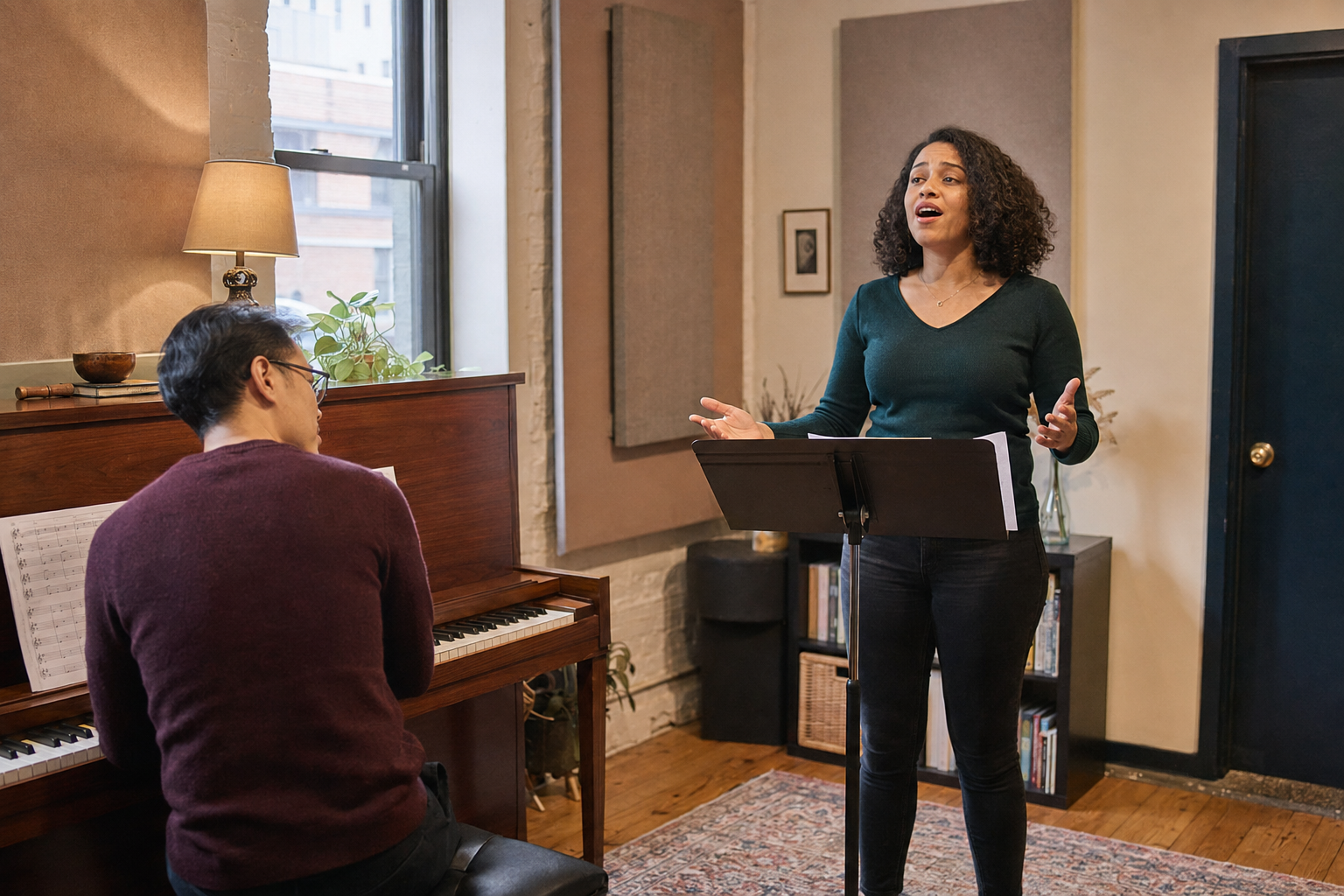
Building a Consistent Practice Routine
Progress comes from thoughtful, regular practice—not simply from singing for long periods of time.
A productive practice session might include:
A few minutes of physical release and breath awareness
Vocal exercises assigned during your lesson
Focused technical work on a specific challenge
Applying that work to a song or piece of text
A brief review of what felt different or raised questions
Short, focused sessions are often more helpful than occasional, lengthy ones. Keep notes about what you observe and bring those discoveries into your next lesson.
Using Your Lesson Recordings
If you record portions of your lesson, label each file with the date and exercise so it is easy to find later. Review the purpose of each exercise before practicing it.
You do not need to practice every exercise every day. Your assignments may change as your voice develops.
Vocal Care
Supporting Your Voice
Healthy vocal habits begin with awareness. Sleep, hydration, stress, illness, environment, and overall physical health can all affect how the voice feels and responds.
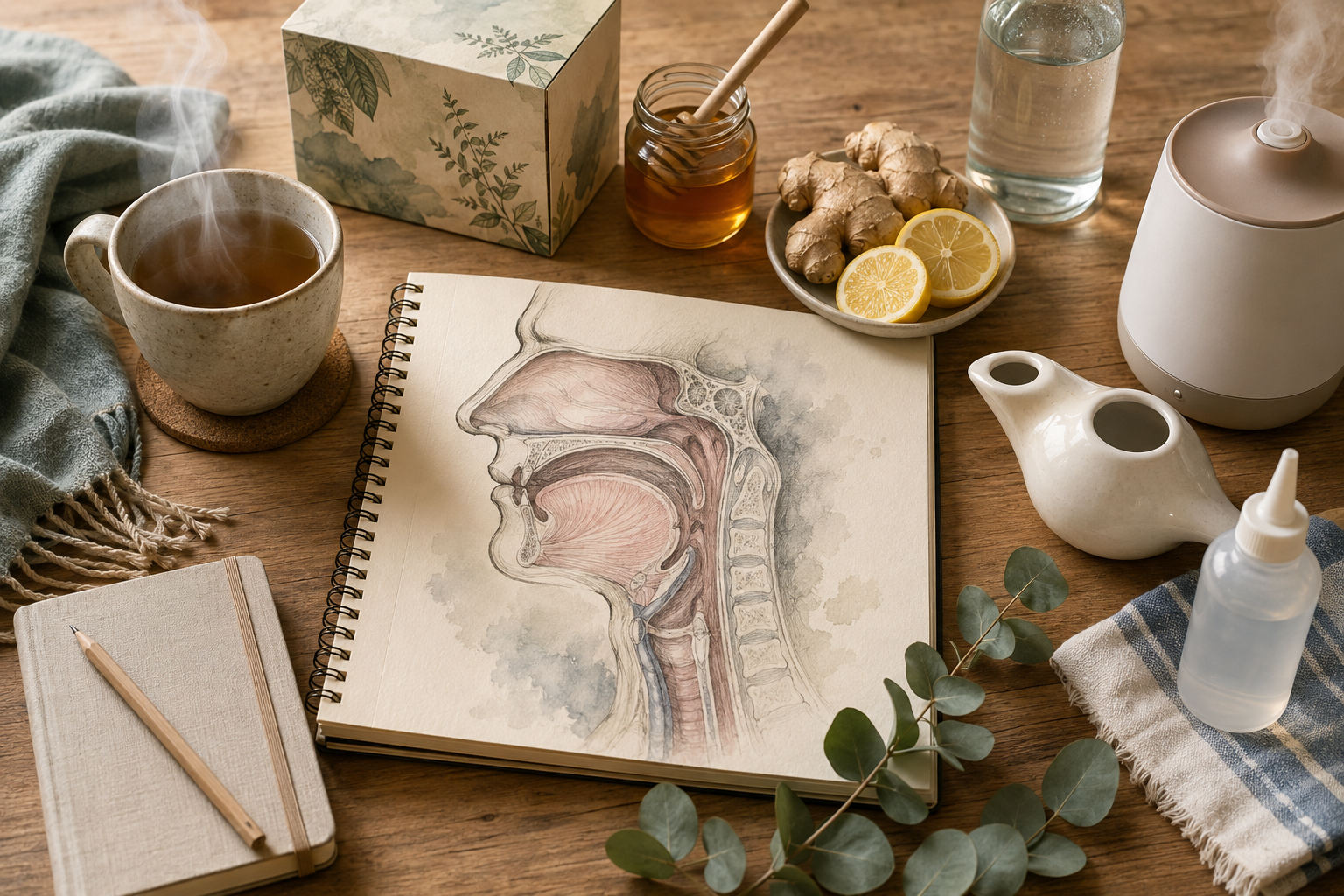
Helpful habits include:
Staying consistently hydrated
Warming up gradually
Taking breaks when your voice feels tired
Avoiding unnecessary pushing or shouting
Allowing time for recovery after demanding rehearsals or performances
Paying attention to recurring discomfort, hoarseness, or loss of range
Singing should never feel painful. If you experience persistent pain, hoarseness, or a significant change in your voice, stop singing and consult a qualified medical professional.
Audition Resources
Singing Audition Checklist
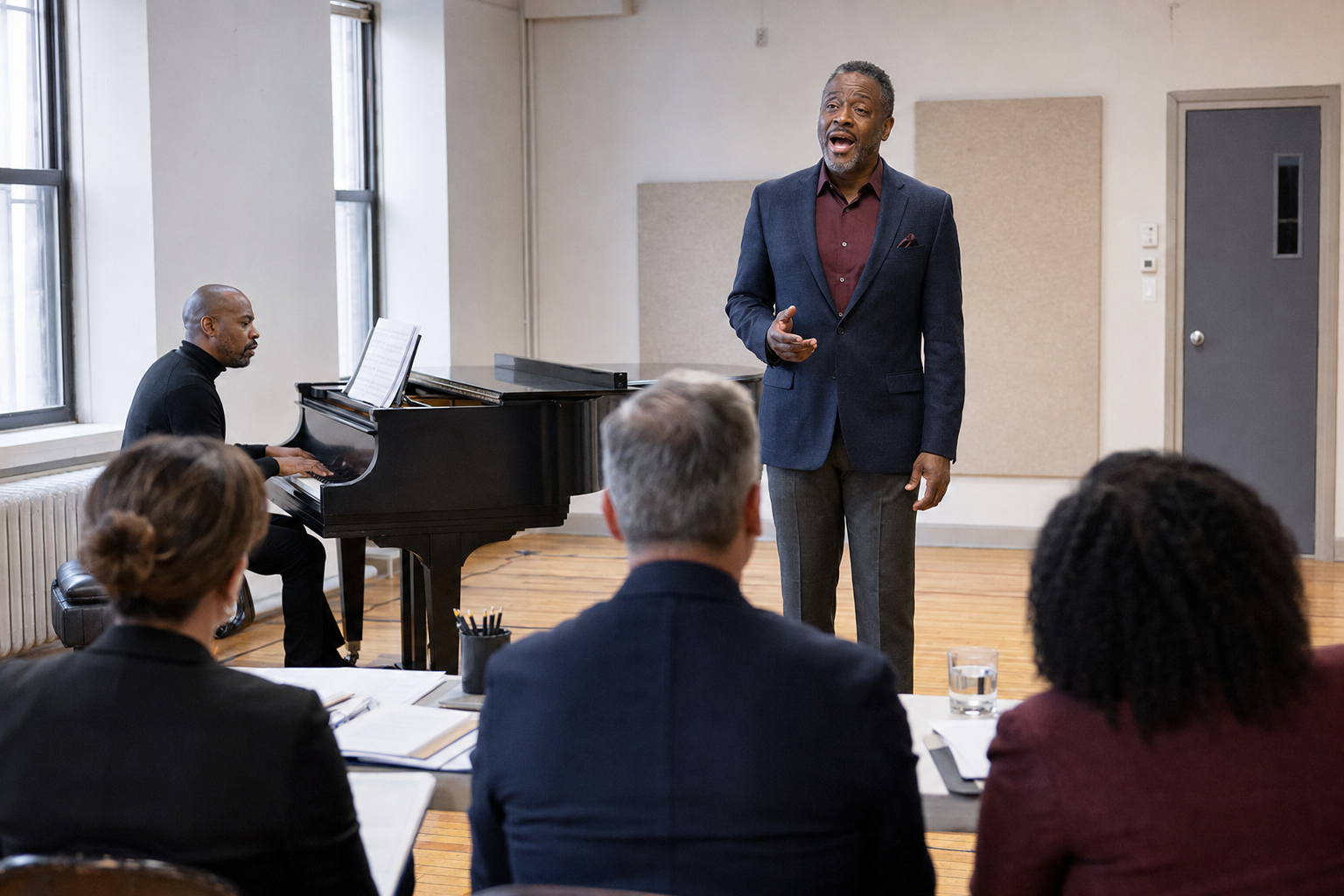
Before your audition, confirm that:
Your music is in the correct key.
Your sheet music is clearly marked and easy to turn.
Your cut has a clear beginning and ending.
You can communicate your tempo to the accompanist.
You understand the circumstances and story of the song.
Your introduction is brief and confident.
Your clothing allows you to move and breathe comfortably.
You have any requested headshots, résumés, or digital materials ready.
You know the location, arrival time, and audition requirements.
Preparation allows you to enter the room ready to respond, connect, and tell the story.
Acting Audition Checklist
Before presenting a monologue or scene:
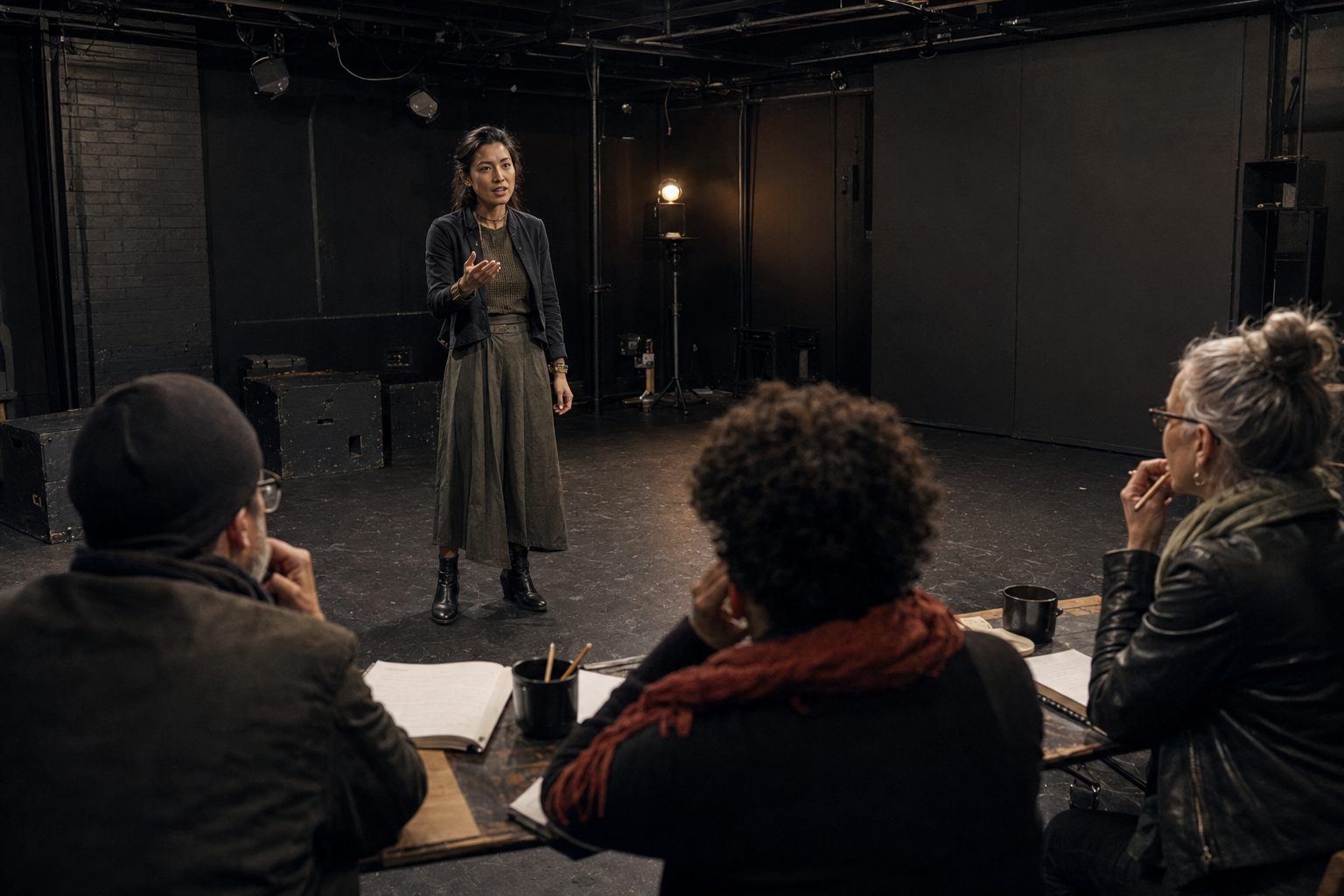
Read the complete play or screenplay whenever it is available.
Understand who you are speaking to and what you need from them.
Identify the circumstances immediately preceding the scene.
Make specific choices while remaining open to adjustment.
Confirm the required length and format.
Prepare any requested slate.
Bring an additional piece when appropriate.
Review all submission or callback instructions.
Self-Tape Preparation
A strong self-tape should feel like a truthful performance captured clearly—not a technical obstacle course.
Before recording:
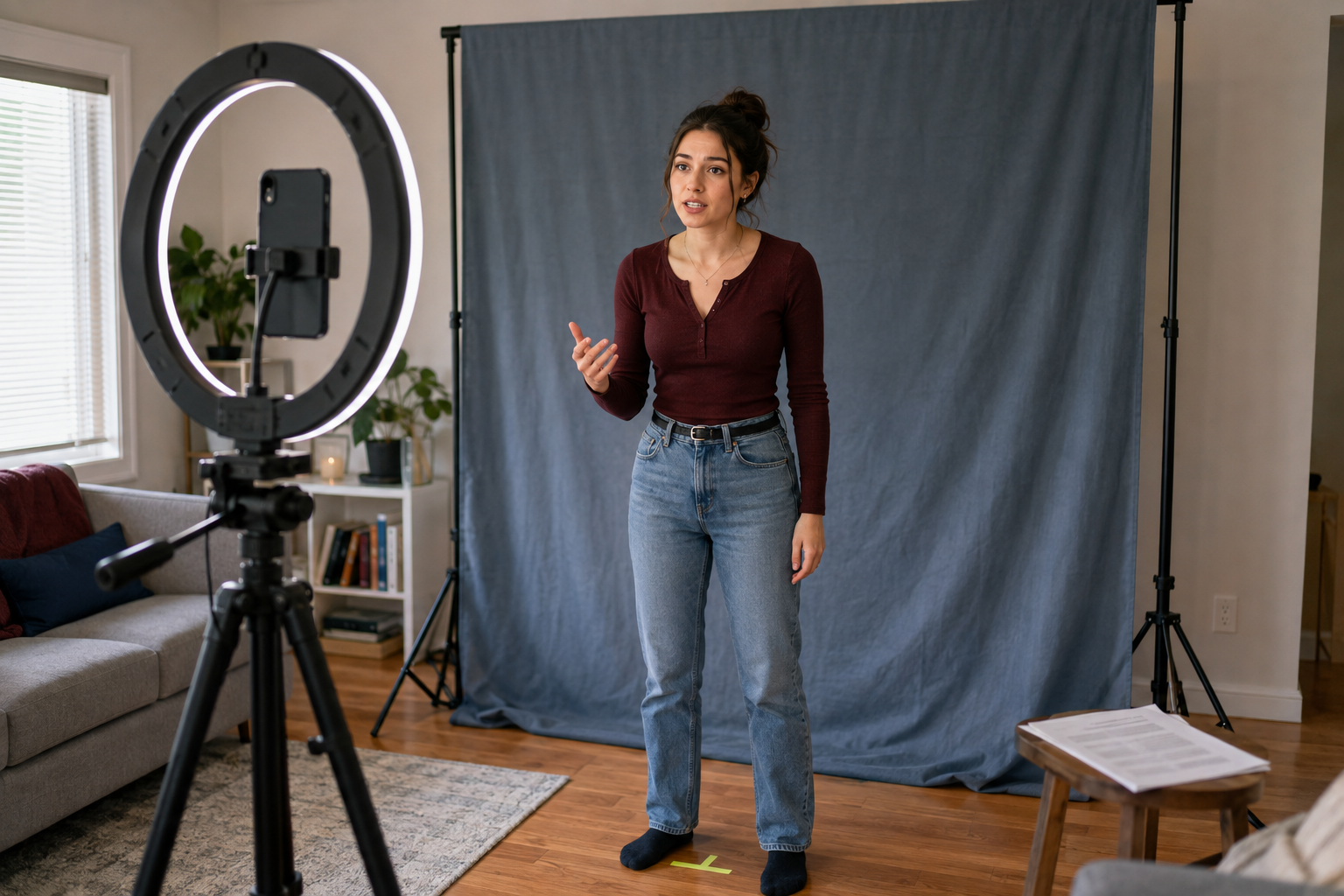
Review the framing and orientation requirements.
Use a simple, uncluttered background.
Make sure your face is clearly lit.
Place the camera at approximately eye level.
Test your sound before beginning.
Position your reader close to the camera.
Follow all slate and file-naming instructions.
Avoid excessive takes that drain the life from the work.
Watch the completed file before submitting it.
Leave enough time to upload and submit your materials before the deadline.
College and Conservatory Auditions
Planning Your Audition Season
I have had the privilege of guiding many students through the college and conservatory audition process. My students have gone on to earn admission and scholarships to some of the finest theatre and musical-theatre programs across the country, finding schools where they can continue growing as artists and individuals.
The process becomes much more manageable when it is divided into clear stages. Together, we can work on:
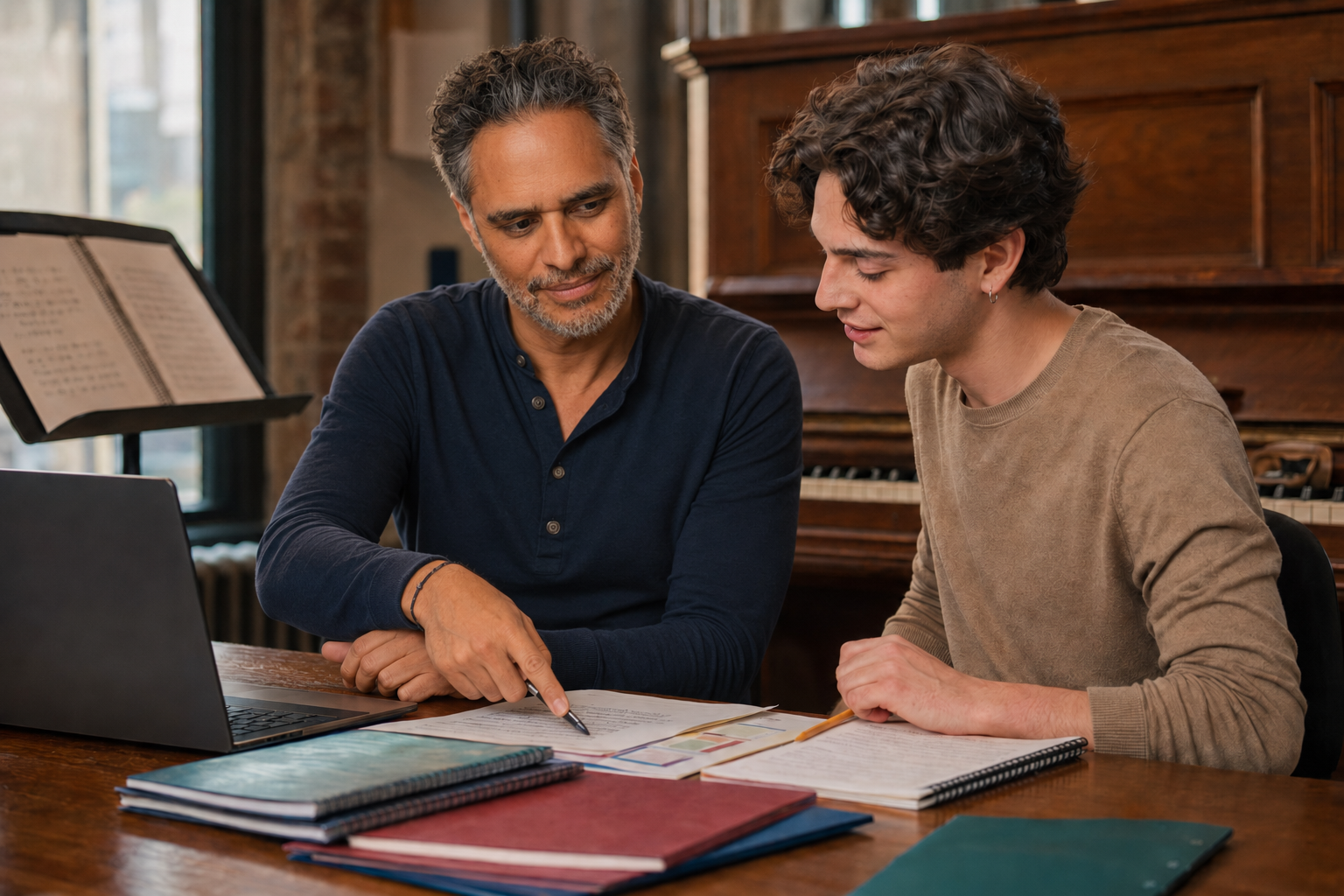
Researching programs and understanding their requirements
Building a balanced school list
Selecting songs and monologues that reflect who you are
Strengthening vocal and acting technique
Preparing and recording prescreens
Practicing interviews
Preparing for callbacks and live auditions
Tracking application requirements and deadlines
Reviewing essay and personal-statement
Because every program has different expectations, create a separate checklist for each school and verify its current requirements before recording or submitting your materials. Thoughtful planning allows you to approach the process with greater confidence, clarity, and less unnecessary pressure.
Accompaniment and Music
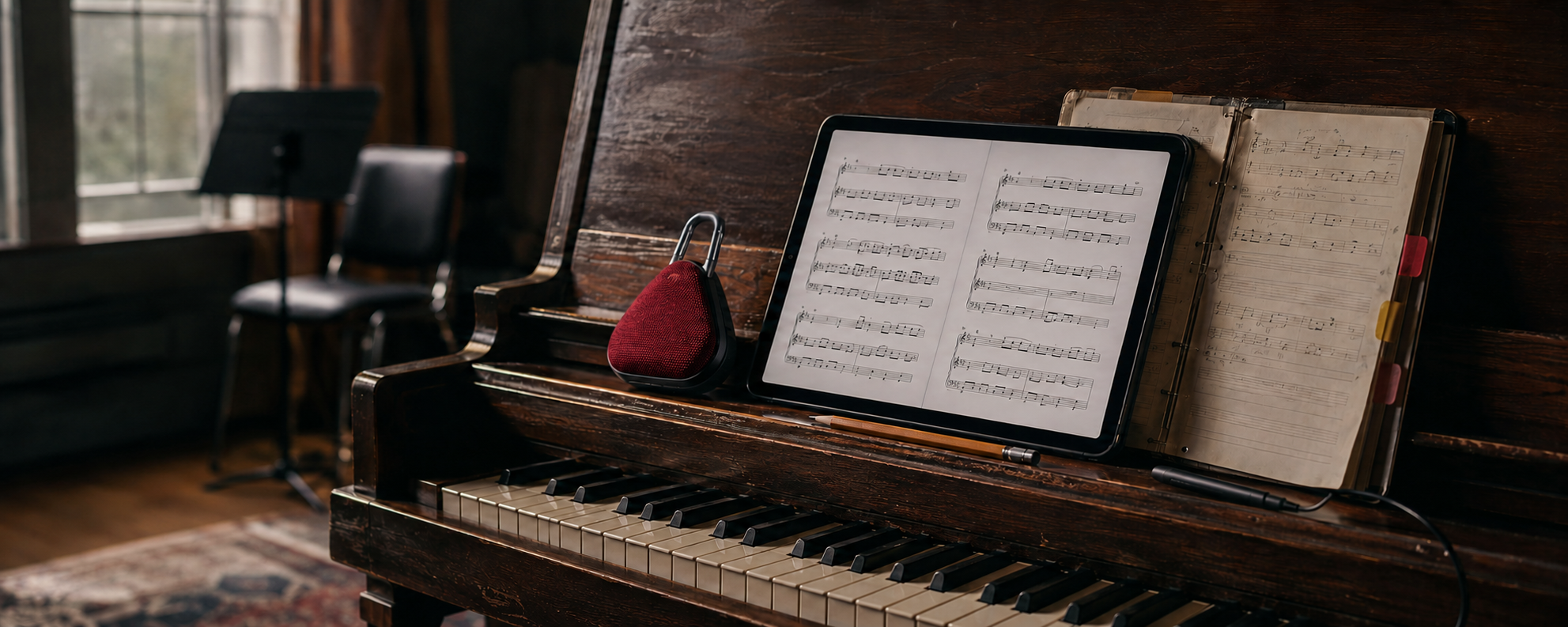
Please send your sheet music and accompaniment track before your lesson or coaching session. Receiving the material in advance gives me time to familiarize myself with the music and allows us to use our session more effectively.
Whenever possible, sheet music should be in the correct key and include:
A clearly marked starting point
A clearly marked ending
Any cuts or repeated sections
The desired tempo
Clean, readable pages
The song title and your name when appropriate
If you are working online, have your accompaniment available on a separate device. Avoid using tracks with prominent guide vocals unless they are specifically required.
Warm-Ups and Practice Recordings (section Under development)
Practice recordings may be provided to support exercises introduced during your lessons. Because every voice has different needs, use only the recordings and vocal exercises that have been recommended for you.
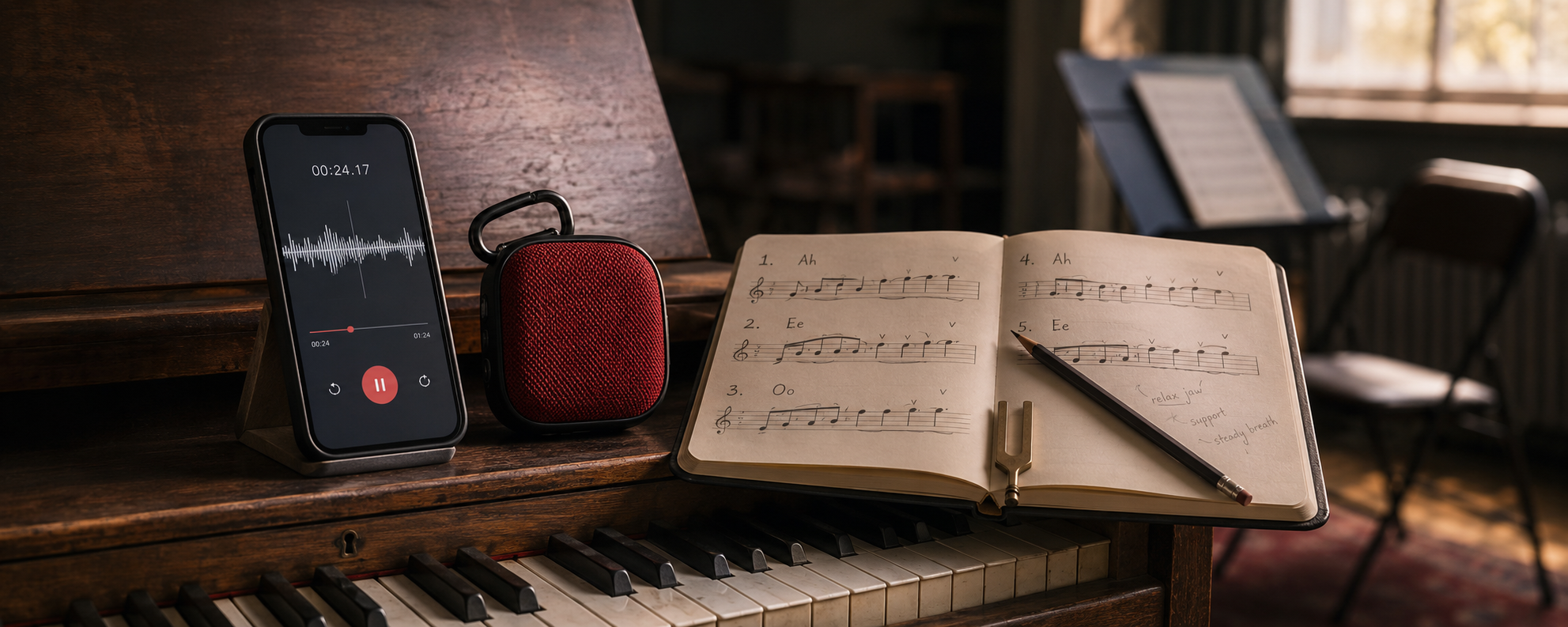
Available Recordings
Physical release and breath awareness
Gentle beginning warm-up
Resonance and ease
Registration and range
Articulation for singers and actors
Pre-audition vocal preparation
Post-performance vocal release
Resources Coming Soon.
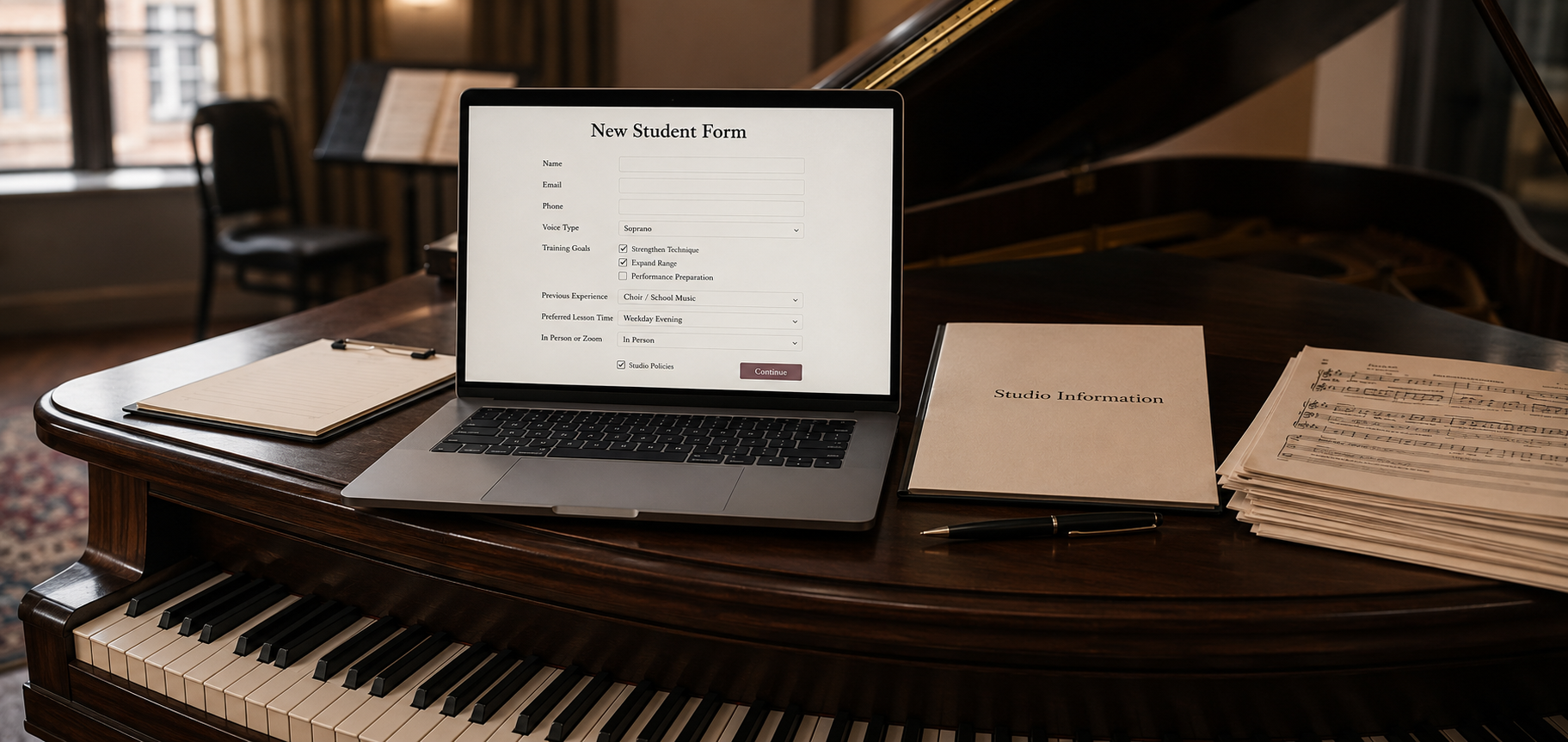
Forms and Studio Information - (this section is under development)
Find the materials you may need before a lesson or coaching session:
New-student information form
Studio policies
Lesson and package pricing
College-audition questionnaire
Audition-coaching preparation form
Prescreen and self-tape requirements
Resources Coming Soon.
Have a Question?
If there is a topic you would like to see included in the Student Resources library, please let me know. This page will continue to grow in response to the questions and challenges students bring into the studio.